
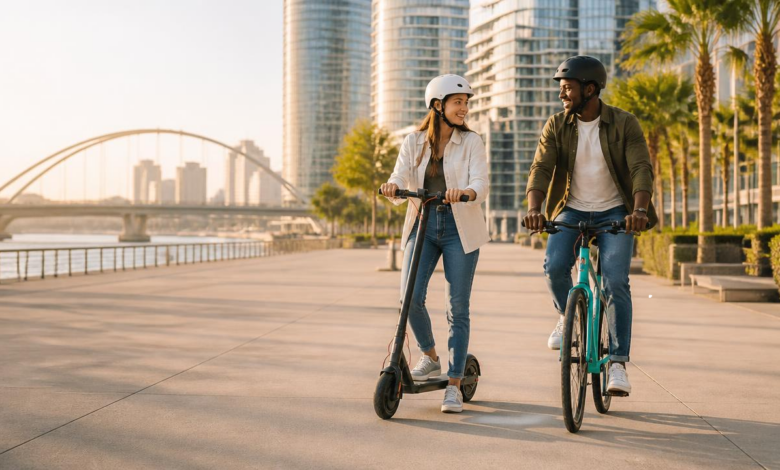
Micro-mobility has redefined how explorers experience global cities. Moving beyond traditional transport, travelers can now embrace shared e-scooters, public bikes, and compact personal vehicles. These options offer quick, flexible ways to navigate urban landscapes, making neighborhoods feel more accessible and enhancing a sense of independence during your adventures.
Understanding Micro-Mobility for Your Journey
What is Micro-Mobility and Why is it Essential for Travelers?
Micro-mobility generally refers to lightweight vehicles designed for short urban journeys, often electric and operating at speeds below typical city traffic. For tourists, the most common examples include shared e-scooters, alongside docked or dockless bikes and e-bikes, forming a vital part of modern city travel strategies.
The primary benefit for travelers is addressing the “last mile” challenge. That short distance from a train station to your hotel, or between attractions, often consumes more effort than anticipated. A scooter or bike can transform this awkward gap into an efficient and enjoyable part of your journey.
Advantages for Urban Exploration and Sustainable Travel
Beyond convenience, these services allow you to explore at a more intimate pace than taxis, while covering greater distances than walking. They are perfect for discovering waterfronts, large parks, cultural areas, and neighborhoods just beyond the main tourist hubs. This approach makes urban exploration both flexible and rewarding.
Embracing micro-mobility also supports more sustainable travel habits. Opting for a bike or e-scooter instead of a short car ride can help reduce congestion and emissions. For those focused on a greener footprint, explore our guide on eco-friendly commutes abroad for broader sustainable choices.
A less obvious benefit is spontaneity. With just a phone and a data connection, you can adjust your plans in real-time. This flexibility is invaluable when museum lines are long, weather changes, or you stumble upon an unexpected market or viewpoint.
Exploring Micro-Mobility Options Abroad
E-Scooters: Quick and Convenient City Exploration
Shared e-scooters often provide the easiest introduction to navigating cities with micro-mobility. They are widely available in many major destinations, typically requiring only an app download, identity verification, and digital payment. For short, flat rides, their speed and convenience are often unmatched.
They are particularly effective for solo travelers moving between attractions that are one to three kilometers apart. Rather than waiting for public transport or paying for a brief taxi, you can quickly unlock a scooter, ride directly, and park in an approved zone. This can significantly save time during busy sightseeing days.
However, scooters demand more balance and street awareness than many first-time users might expect. Uneven pavement, tram tracks, curbs, and sudden pedestrian movements can pose hazards. If it’s your first time riding in a foreign city, begin in a calm, well-lit area before venturing into crowded districts.
E-Bikes and Bike Share: Enhanced Range and Stability
For many travelers, e-bikes or standard bike-share systems offer an optimal blend of comfort and control. Bikes provide greater stability than scooters, are better suited for longer routes, and are often more integrated into urban transport planning. They excel in cities boasting robust cycling infrastructure.
E-bikes, in particular, lessen the effort required for hills, extensive waterfront paths, and full-day explorations. This means you can traverse a large city without feeling exhausted. Travelers seeking scenic movement over pure efficiency frequently prefer bikes for their enjoyable pace.
Bike-share systems can also be more straightforward, with docking stations or designated parking bays establishing clearer rules. In places with an established cycling culture, these systems may feel more intuitive than dockless scooters. However, availability can vary based on station density and vehicle rebalancing needs.
Other Smart Personal Transport Choices
Some cities incorporate seated e-mopeds, compact rental scooters, or other niche personal devices into their urban mobility network. While potentially useful, these often come with more complex rules, stricter licensing requirements, or higher insurance conditions than a basic shared e-scooter or bike.
For most visitors, the safest approach involves starting with the simplest legal option available. If the local infrastructure is bike-friendly, a bike might be best. If distances are short and parking rules clear, a scooter could work. When traffic is fast and challenging, public transport may remain the preferred choice.
Getting Started with Micro-Mobility Services
Essential Apps, Rentals, and Payment Considerations
Most micro-mobility services are initiated through a dedicated app. Providers like Lime, Bird, Voi, Tier, and Bolt typically require account creation, payment method setup, agreement to local terms, and scanning a QR code on the vehicle. Downloading relevant apps and confirming their operation in your destination beforehand is advisable.
Reliable mobile data is crucial for access, as a lost signal can hinder unlocking, ending a ride, or verifying parking. For a smoother experience, consult our guide on global SIM cards, eSIMs, and portable Wi-Fi before relying on app-based transport abroad.
Payment details are another practical aspect. While some services process international cards effortlessly, others might trigger fraud alerts or demand app-store region compatibility. Utilizing a travel-friendly card and understanding digital payment options can help prevent failed transactions. Our article on global currencies and digital payments abroad offers further preparation.
When selecting a provider, consider more than just the price. Look into parking rules, service area size, customer support, language settings, and whether the app displays no-ride or slow-speed zones. Geofencing is common; vehicles may slow or refuse to end trips outside approved areas.
A Checklist for Stress-Free E-Scooter Rentals
To ensure a simple process when you
rent an e-scooter overseas, use this checklist before your first ride:
1. Download the app and complete identity setup well before you need to ride.
2. Confirm age restrictions, helmet requirements, and permitted riding zones.
3. Check the battery level and visually inspect brakes, tires, and lights for functionality.
4. Review the in-app map for areas designated as no-parking, no-ride, or slow-speed zones.
5. Take a short test ride in a quiet, safe area before joining busier traffic.
For electric scooter rental international experiences, a common oversight is rushing the parking process. Many riders mistakenly assume stopping anywhere visible suffices. However, improper parking can lead to fines or additional charges. Always conclude rides only in approved bays or clearly marked sidewalk spaces that do not obstruct pedestrian access.
If the city’s rules seem confusing or app instructions are unclear, consider choosing an alternative. Opting for a bus, metro, or walking route early can often save more time and frustration than struggling with unfamiliar regulations.
Key Considerations: Rules, Safety, and Costs
Navigating Local Regulations and Laws
Micro-mobility regulations by country for tourists are a critical planning aspect. In some cities, scooters are permitted in bike lanes; in others, they might be restricted to roads, banned from sidewalks, or prohibited in historic centers. E-bike rules can also vary based on motor power and assisted speed limits.
Age minimums, helmet mandates, night-riding requirements, and alcohol restrictions can be stricter than visitors anticipate. The safest practice is to consult official local transport sources for each destination. Look for information from city transport authorities or local tourism portals.
Adopt a mindset that each city operates under its unique system. Even within Europe, there isn’t a single answer for how to use e-scooters in Europe as a tourist. A rule accepted in one capital may be illegal in the next. Regulations are also dynamic, frequently evolving after safety reviews or public input.
Best Practices for Safety in Foreign Cities
Safety guidelines for micro-mobility abroad begin with caution. You’ll be operating in an unfamiliar environment, often with different traffic patterns, lane markings, and pedestrian behaviors. Assume less, observe more, and ride slower than locals until you grasp the flow of the city.
A few practical habits can significantly enhance your safety:
– Always wear a helmet if possible, even when it is not legally mandatory.
– Avoid riding on sidewalks unless local laws explicitly permit it.
– Reduce speed on wet pavement, cobblestones, painted lines, and tram tracks.
– Keep one ear completely free if you need navigation audio.
– Never ride after consuming alcohol or when feeling overly tired.
– Utilize lights and reflective gear for visibility when riding at night.
Personal security is also important. Phones mounted openly on handlebars can sometimes attract theft in certain cities. If you need strategies against theft during urban travel, our guide on smart travel security gear and practices offers valuable advice, especially in crowded tourist areas.
Estimating Rental Fees and Avoiding Hidden Costs
Costs typically involve an unlock fee plus per-minute or per-distance billing, though some markets offer subscriptions or day passes. E-bikes generally cost more than standard bikes but can offer better value for longer routes. Prices fluctuate widely depending on the city, operator, and time of day.
Many hidden expenses are preventable. Improper parking, entering restricted zones, damaging equipment, or leaving a vehicle with a low battery in a prohibited area can incur extra charges. Carefully review the app’s pricing screen and always take a final parking photo if the system allows, as documentation.
For budget-conscious travelers, micro-mobility is most effective when it replaces expensive short taxi rides or saves time during busy sightseeing days. When comparing all urban transport choices, consider how scooters and bikes fit into your overall journey plan.
Regional Perspectives on Micro-Mobility
Europe: Advanced Infrastructure with Diverse Rules
Europe stands out as a highly appealing region for micro-mobility, particularly where bike lanes are extensive and historic centers limit car access. Cities like Paris, Berlin, and Rome often boast excellent bike-share and e-bike support, yet their e-scooter policies can vary significantly from one another.
For travelers, the key takeaway is to avoid generalizations. Rules for electric bikes abroad in Europe might depend on speed assistance levels, lane access, and local classifications. Historic city centers frequently impose special controls, including designated parking areas and reduced speeds via geofencing technology.
North America: Expanding Networks Amidst Car Dominance
In North America, shared scooters and bikes prove useful in dense downtown areas, waterfront districts, university campuses, and neighborhoods featuring separated bike lanes. However, distances can be longer, roads wider, and car traffic faster than some visitors might anticipate.
This necessitates more careful route planning. A ride that appears short on a map might feel stressful if it involves crossing major intersections or navigating streets without protected lanes. In many North American cities, micro-mobility is often best suited for short, strategic segments rather than full cross-city journeys.
Asia-Pacific: Innovation Balanced with Specific Controls
Many cities across the Asia-Pacific region are highly innovative in urban transport, but their regulations can be exceptionally specific. Some destinations seamlessly integrate smart transport into broader urban systems, while others maintain tighter controls on permitted vehicle types and operating areas.
For travelers, this often means sophisticated apps and efficient systems, but also less tolerance for casual rule-breaking. Pay close attention to parking instructions, local signage, and device-specific restrictions. In more densely populated pedestrian environments, shared bikes might feel more comfortable and socially accepted than scooters.
Optimizing Your Micro-Mobility Experience
Practical Tips for Seamless Urban Movement
To ensure urban mobility solutions for tourists work effectively, integrate micro-mobility thoughtfully into your daily plans rather than improvising each ride. Use it for specific segments: from the station to your hotel, a market to a museum, up a hill to a viewpoint, or between a dinner district and the metro.
Consider these habits for smoother journeys:
– Ride during daylight hours first if you are new to the city.
– Screenshot your destination map in case mobile data becomes unavailable.
– Always check the weather forecast before unlocking a vehicle.
– Wear shoes with good grip; avoid slippery sandals.
– Pause and walk your vehicle when streets feel chaotic or overly crowded.
– Keep your phone sufficiently charged to properly end the ride and avoid extra fees.
Thinking multimodally is also beneficial. Some of the most enjoyable city days combine train travel, walking, and one or two short scooter or bike rides. Avoid pushing micro-mobility beyond its ideal use case, especially for longer or suburban journeys.
Future Trends in Personal Transport for Travelers
The future of personal transport for travelers is likely to be increasingly integrated. Cities are actively working to connect bike shares, e-scooters, metro systems, suburban rail, and digital ticketing into cohesive mobility ecosystems. For travelers, this promises reduced friction and improved journey planning across various modes.
We can also anticipate more sophisticated geofencing, smarter parking enforcement, enhanced braking systems, and improved battery efficiency. These advancements aim to reduce sidewalk clutter and help cities embrace micro-mobility as a standard part of visitor transportation, rather than a novel disruption.
Furthermore, increased regulation is often a sign of maturation. Clearer rules contribute to safer streets for riders, pedestrians, and residents alike, ultimately benefiting travelers by creating more predictable and secure urban environments.
Frequently Asked Questions
Is micro-mobility safe for tourists?
It can be very safe, especially when used cautiously. Prioritize protected lanes, ride below maximum speeds, avoid adverse weather, and meticulously adhere to local regulations.
Do I need a special license to ride an e-scooter overseas?
Typically, no special license is required for standard shared e-scooters. However, certain destinations may have age restrictions or require licenses for specific powered vehicles, so always verify local regulations.
What are the average costs of micro-mobility rentals?
Most services charge a small unlock fee plus usage-based pricing. Total costs vary widely by city, operator, and ride duration, with e-bikes generally being more expensive than regular bikes.
How do I find micro-mobility options in a foreign city?
Search city maps within major operator apps (e.g., Lime, Bird), check local tourism websites, and consult official transport authority pages for information on legal operating areas and rules.
What are common rules for riding e-bikes in Europe?
Common themes include designated bike-lane use, classifications based on speed assistance, parking controls, and occasional helmet recommendations. Exact rules, however, vary significantly by country and individual city.
Can I use micro-mobility apps in different countries?
Often, yes. However, app coverage, payment acceptance, identity verification processes, and local vehicle availability can differ. It’s always best to test these aspects before relying on an app in a new country.
Conclusion: Embracing Smart Urban Travel
Micro-mobility abroad represents a powerful tool for modern travelers to enhance their urban exploration. When used thoughtfully, it saves time, expands your reach, and makes experiencing a city more engaging. Conversely, careless use can lead to stress, fines, or safety hazards.
The most effective approach is straightforward: verify local rules, start cautiously, select the appropriate vehicle for the environment, and integrate micro-mobility with robust public transport. This balanced strategy offers freedom without compromising safety or common sense.
Given that local laws and app availability can change rapidly, always confirm current regulations with official city sources before each trip. By doing so, e-scooters, bikes, and other smart transport options can become invaluable for experiencing cities beyond the typical tourist path.